
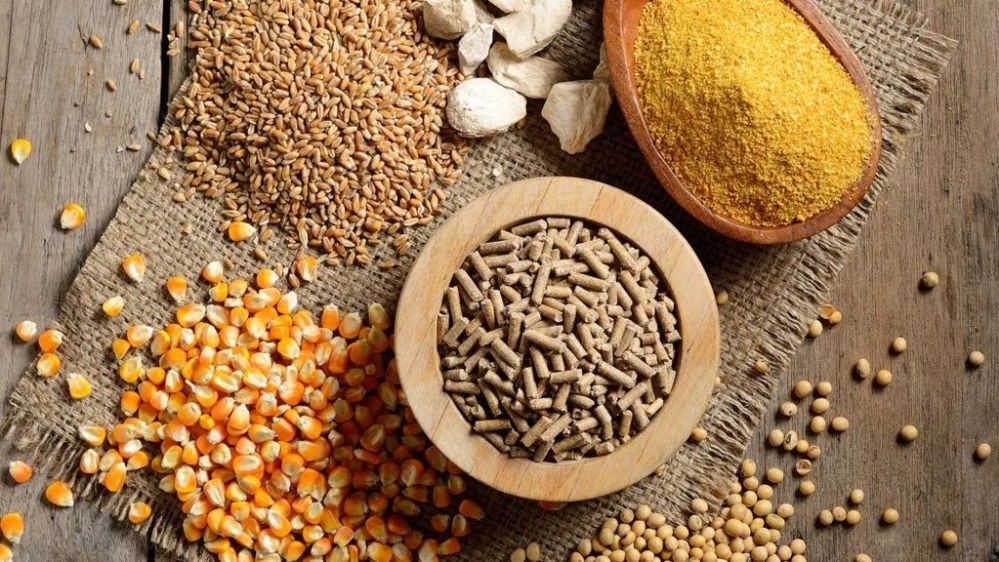
What is a livestock feed?
The feed is a growing or developed food for cattle, sheep, poultry and aquaculture. Modern foods are produced by careful selection and combination of various ingredients to provide highly nutritious diets that maintain both animal health and increase the quality of end products such as meat, milk or eggs. Continuous improvements in the animal diet have been achieved by research, testing, and chemical analysis by agricultural scientists.
Buying a trap
Forage of livestock and livestock food is the main thing to consider in the cultivation of domestic animals. Livestock can be a revenue -generating job and can make your economic security difficult. The most cost -effective food to achieve maximum weight for livestock. If they are well taken into consideration, it will lead to the health and vitality of our livestock, including our cows and sheep. The livestock feed consumed for foreign sheep imported to Iran, such as Roman Sheep, is very important. These sheep need gold feed due to high efficiency.
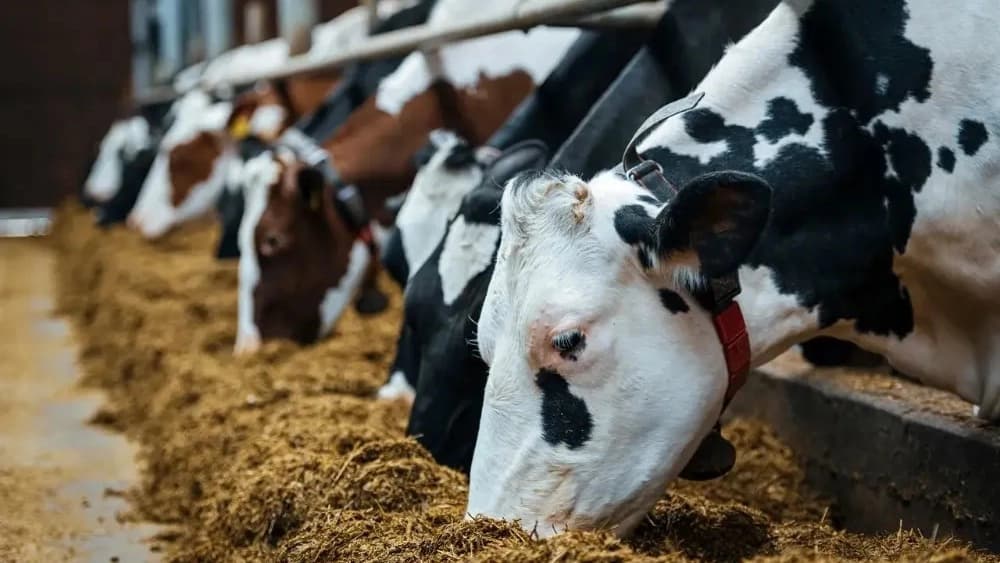
Types of livestock feed
These products can generally be categorized into forage, concentrate, meal and bran. Forage includes alfalfa, silo, straw, garden grass, etc.
Alfalfa:
Garden Grass:
This grass is mostly used to feed cows, as it increases milk fat and increases the rumination by having long stems and strands. Garden grass is commonly used for feeding of lactating cows. Preventing bloating, helping to better excrete stools, and reducing the exit of flour foods from the rumen are other benefits.
Silages:
Silage is one of the most important foods for increased animal milk produced by fermentation of corn and barley leaf. The presence of fiber, starch and carbohydrates, the simple and low -cost production process, has made corn silage into a popular and popular food for livestock. This forage makes it easy to digest food and does not require special climatic conditions for cultivation.
Stretch:
Straw is one of the cheapest and lowest foods in the trap. Due to the relatively large volume of fiber in straw, it takes a long time to digest weights, leading to weight loss in livestock. To prevent this problem, the straw is rich with sodium hydroxide, ammonia and urea. This feed is found in three categories of barley, wheat and rice. The barley straw has higher quality than other types.
Animal Meal:
After each lubrication, seeds such as soybeans, corn, rapeseed, olive and sunflower are used as a rich source of protein in livestock and poultry feed. The most consumed by the livestock meal is derived from soybean.
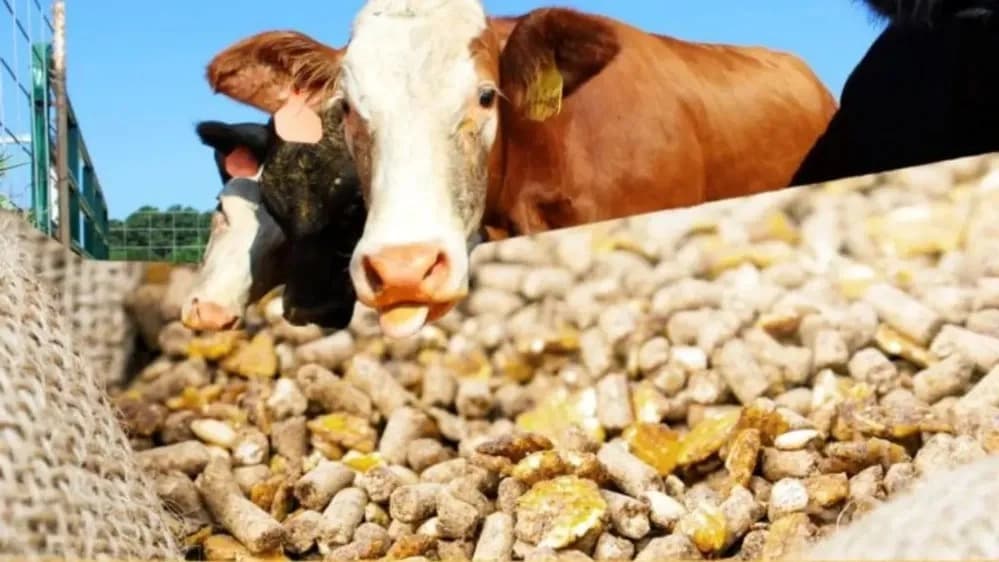
Animal bran:
bran is produced from barley shell, rice and wheat. The higher the amount of flour in the bran, the higher the quality and nutritional value. The use of wheat bran should be completely controlled, as the cellulose in it may cause problems for the livestock gastrointestinal tract. Useful features of bran include vitamins A and B, iron, phosphorus, copper, selenium and zinc. This material is a great resource for the supply of livestock energy.
Concentrate (compact feed):
One of the best foods for the growth and health of the concentrates. The general ingredients of this substance include cereals, fats, vitamins, minerals, molasses and plant and animal proteins. The use of concentrate along with other forage is a necessity to be taken seriously in livestock. The diverse sizes and weights of this product are available in three categories: dairy, fodder and calf concentrates.